:
: 

Can you believe how quickly this year has passed? Suddenly it’s already December — the lights are up, the air feels festive, and the countdown to the New Year has begun.
Before we dive into the holiday rush, let me say it early: Merry Christmas and a wonderful start to the year ahead!
For this month’s blog, we’re exploring something many overseas readers are curious about: How do people in Japan celebrate the New Year? From traditional customs to cozy year-end routines, unique foods, lucky decorations, and thoughtful greeting habits, Japan’s oshōgatsu (New Year) season is full of charm.
As the year winds down, we want to say a big thank you to all of you — with gratitude for 2025. Our New Year Gift Selections are now live!
From Dec 9 to Dec 23, enjoy up to 20% OFF on curated items perfect for gifting, refreshing your home or store displays, and even treating yourself before the new year begins.
Whether you’re preparing for seasonal celebrations, updating your shop layout, or simply picking up something you love to close out the year, we’ve got you covered. Take a look around — happy shopping, and thank you for being part of our journey!

Oshōgatsu and the Zodiac

In Japan, the New Year — Oshōgatsu — is the most important celebration of the year.
Rather than fireworks and all-night parties, it’s a calm, reflective holiday centered around family, good fortune, and starting fresh.
Homes are decorated with symbols of prosperity, temples and shrines welcome visitors seeking blessings, and many people enjoy traditional meals that mark a hopeful beginning.
Another beloved element of the season is Japan’s twelve-year zodiac cycle, with each year associated with an animal believed to bring its own kind of luck.
The zodiac for 2026 is the Horse, a symbol often linked to energy, progress, and forward momentum.
From greeting cards to ornaments and New Year displays, zodiac motifs appear everywhere — adding a uniquely Japanese charm to the holiday atmosphere.

How People in Japan Spend the Year-End Season
As December begins, everyday life in Japan slowly shifts into nenmatsu–nenshi mode — a gentle transition from closing out the old year to preparing for the new one. Homes, workplaces, and shops start adjusting their rhythm, setting the stage for traditions that mark this meaningful season.
It’s a time filled with quiet rituals that invite reflection, gratitude, and a fresh start. In this section, let’s take a look at the customs that shape Japan’s year-end and New Year celebrations.

Ōsōji – The Big Year-End Cleaning
Before the new year arrives, people in Japan give their homes and shops a thorough clean — sweeping away the old year and welcoming good fortune.
It’s also a popular moment to refresh everyday items and replace small goods around the house, bringing a fresh start into the new year.
Toshikoshi Soba – A Bowl to Welcome the New Year
On December 31st, many households enjoy toshikoshi soba, a simple buckwheat noodle dish symbolizing longevity and letting go of hardship. It’s a comforting tradition that brings families together and sets a peaceful tone before midnight.


Hatsumōde – The First Shrine Visit of the Year
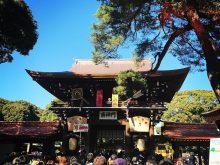
In the first days of January, people visit shrines to pray for health, happiness, and good luck.
From buying omamori charms to drawing fortunes, hatsumōde is one of the most cherished ways to start the year with hope.

Nengajō – New Year Greetings, Japanese Style
Instead of Christmas cards, Japan sends New Year postcards called nengajō. Families, friends, and businesses exchange them to share gratitude and well-wishes. Many people add stickers, decorative stamps, or unique postcards to make their greetings feel special.


New Year Ornaments – Inviting Good Fortune into the Home
In Japan, welcoming the New Year isn’t just about celebration — it’s also about preparing the space for good luck. As January approaches, homes, storefronts, restaurants, and even office entrances begin displaying oshōgatsu ornaments. Each decoration carries a symbolic meaning, believed to invite prosperity, protection, or a fresh start.
These ornaments create a warm, festive atmosphere and gently set the tone for the year ahead.

Kagami Mochi – A Symbol of Prosperity and Renewal
Kagami mochi, a stack of two round rice cakes topped with a daidai citrus, is one of Japan’s most iconic New Year decorations. The round shape represents the continuity of life, while the daidai symbolizes family prosperity across generations.
Kadomatsu – Welcoming the Gods of the New Year
In Japan, kadomatsu are traditional New Year decorations placed at entrances to welcome good fortune for the year ahead. While full-size arrangements are typically made for doorways, mini kadomatsu have become a popular way to bring the same festive spirit into smaller spaces.

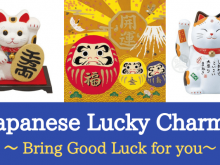
Daruma & Lucky Animal Figurines – Encouragement and Good Luck
Many households and businesses display daruma dolls as a symbol of determination and success. During zodiac years, you’ll also find figurines of the year’s animal — the Snake for 2025, the Horse for 2026 — appearing in homes and shops as charming messengers of good luck.


Cozy Plush Gifts for New Year Cheer
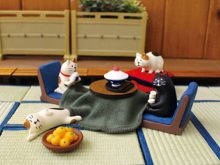
Celebrate the season with a little softness — plush toys make heartwarming gifts for family, friends, or even yourself. From cuddly animals to lucky-cat dolls and whimsical mini characters, these cute companions from our vendor Amuse, Inc. add a touch of joy and charm that brightens up any room.
Whether tucked into a stocking, placed on a shelf, or carried on the go, these plushies bring warmth, smiles, and a cozy start to the new year.


Discover the Spirit of Japanese New Year with SUPER DELIVERY
With trusted Japanese brands, transparent pricing, and worldwide delivery, SUPER DELIVERY connects you directly to the traditions, charms, and gift-worthy items that define Japan’s New Year season.
Start exploring today and bring festive décor, thoughtful gifts, and authentic New Year essentials — along with countless other Japanese lifestyle products — to your store with ease, wherever you are in the world.


Your initial purchase includes free handling as a welcome offer!
Sign up now and explore the enchanting world of Japanese art and design.